Blog

  • 7-Can Soup

    Forget fancy recipes and overflowing shopping lists 7 can soup is your new best friend for quick, delicious, and budget-friendly meals. This isn’t your grandma’s mystery meat casserole (no offense, Grandma!). 7 Can Soup is all about using what you’ve got in the pantry to whip up a satisfying pot of goodness in no time.

    What is 7-Can Soup, Exactly?

    Think of it as a one-pot wonder. The name pretty much says it all: you grab seven cans of stuff (mostly canned goods!), toss them together in a pot, and simmer for a bit. Easy, right?

    Nobody knows for sure where 7 Can Soup originated, but rumor has it, it popped up during tough times as a way to stretch ingredients and fill hungry bellies. And guess what? It still works like a charm today!

    Why You’ll Love 7 Can Soup

    Here’s the deal: 7-Can Soup isn’t just about convenience (although let’s be honest, that’s a major plus on busy weeknights!). It’s also about:

    • Saving some serious cash: Canned goods are generally wallet-friendly, so you can feed your crew without breaking the bank.
    • Endless possibilities: This isn’t a one-trick pony! You can customize 7 can taco soup with all sorts of different beans, veggies, spices, and even protein sources. Basically, it’s a blank canvas for your inner chef to go wild (or just add a can of your favorite beans, no judgment here!).
    • Minimal cleanup: One pot, people! That means less time scrubbing dishes and more time enjoying your delicious creation.

    Craving sweet treats? Check out our companion article, “The Secret to Perfect Pumpkin Cupcakes with Cream Cheese Frosting (Easy Recipe!)” for a delightful fall dessert!

    Think of it like this: 7 can soup is the ultimate weeknight win. It’s quick, easy, budget-friendly, and totally customizable. Plus, cleanup is a breeze! What’s not to love?

    The Classic 7 Can Soup Recipe: Simple and Delicious

    Now, let’s get down to the good stuff! Here’s a basic recipe for the classic 7-Can Soup:

    Ingredients:

    • 1 can (15 oz) canned chili (any kind you like!)
    • 1 can (15 oz) kidney beans (rinsed and drained, or your favorite bean)
    • 1 can (15 oz) black beans (rinsed and drained)
    • 1 can (14.5 oz) diced tomatoes (don’t drain these!)
    • 1 can (15 oz) corn (drained)
    • 1 can (12.5 oz) chicken breast (optional, feel free to shred it first)
    • 1 can (14.4 oz) chicken broth (or water, if you’re feeling light)

    Instructions:

    1. Grab a big pot and toss all the ingredients in there (except the cheese, hold off on that for now).
    2. Crank the heat to high and bring everything to a boil.
    3. Once it’s boiling, turn down the heat and let it simmer for about 15 minutes, stirring every now and then.
    4. Feeling cheesy? Now’s the time! Add some shredded cheese and stir it in until it’s all melty and gooey.
    5. Dish it up and enjoy your masterpiece!

    This is just a basic guide, so feel free to get creative and add your own personal touches. We’ll explore some awesome variations in the next section, so stay tuned!

    Deep Dive into the 7-Can Soup Universe

    This section delves deeper into the world of 7-Can Soup, exploring its versatility, adaptability, and seamless integration into various meal-planning strategies. We’ll uncover creative uses for canned goods beyond the realm of soup, and unveil how this resourceful recipe can transform throughout the seasons.

    The Pantry Staples Revolution: 7 Can Soup and Beyond

    Canned goods are the unsung heroes of the kitchen, offering a treasure trove of convenience, affordability, and long shelf life. These pantry staples empower home cooks to whip up quick and nutritious meals without breaking the bank. But their potential extends far beyond the realm of 7 can taco soup. Let’s explore some creative ways to incorporate canned goods into your culinary repertoire:

    • Salads: Canned chickpeas transform into a protein powerhouse in a chickpea salad, while canned corn and black beans add a vibrant southwest flair to a fiesta-inspired salad.
    • Pasta Dishes: Ditch the jarred sauce! Reach for canned diced tomatoes or cannellini beans for a quick and flavorful pasta base.
    • Dips and Spreads: Canned white beans are the magic ingredient for a creamy hummus, while black beans lend themselves perfectly to a hearty and flavorful black bean dip.
    • Breakfast Burritos: Elevate your morning routine with a protein-packed breakfast burrito featuring scrambled eggs, cheese, and a dollop of canned black beans or diced tomatoes.

    Table 1: Beyond the Soup Can: Creative Uses for Canned Goods

    Canned GoodCulinary Applications
    ChickpeasSalads, Falafel, Curries
    CornSalads, Chowders, Stuffings
    Black BeansDips, Burritos, Chili
    Cannellini BeansPasta Dishes, Salads, Soups
    Diced TomatoesPasta Sauce, Salsa, Stews
    White BeansHummus, Dips, Salads

    These are just a few examples, and the possibilities are truly endless. Canned goods offer a blank canvas for culinary creativity, allowing you to experiment with flavors and textures to create dishes that suit your taste buds and dietary needs.

    7 Can Soup for Every Season

    The beauty of 7-Can Soup lies in its adaptability. With a few tweaks, you can transform this classic recipe to suit the changing seasons:

    • Winter Warmers: Embrace the cozy vibes of winter with a hearty chili base for your 7-Can Soup. Add chopped vegetables like potatoes, carrots, or even chopped butternut squash for a comforting and nourishing meal.
    • Summer Sips: Chilled Soup Variations: Beat the heat with a refreshing twist on 7-Can Soup. Simply blend the cooked soup until smooth for a chilled and creamy summertime staple. Enhance the flavor profile with a dollop of Greek yogurt, a squeeze of fresh lime juice, or a sprinkle of chopped fresh herbs.
    • Fall Feasts: Hearty and Seasonal Additions: Celebrate the autumn harvest by incorporating seasonal ingredients like pumpkin puree, chopped butternut squash, or even shredded chicken into your 7 can taco soup. These additions create a warm and inviting fall-inspired dish.

    Table 2: Seasonal Twists on the Classic 7-Can Soup

    SeasonIngredientsDescription
    WinterHearty chili base, potatoes, carrotsComforting and nourishing winter soup.
    SummerBlended soup, Greek yogurt, lime juice, fresh herbsChilled and refreshing summer soup.
    FallPumpkin puree, butternut squash, shredded chickenWarm and inviting fall-inspired soup.

    By embracing seasonal ingredients and flavor profiles, you can enjoy variations of 7-Can Soup throughout the year, keeping your meals exciting and delicious.

  • How long to cook chorizo

    Chorizo, a vibrantly flavored and smoky sausage, is a staple ingredient in many cuisines around the world. This delectable cured or fresh sausage boasts a rich history and a versatility that can elevate any dish. But for home cooks, the question of how long to cook chorizo often arises. Fear not, for this comprehensive guide will equip you with the knowledge to perfectly cook chorizo, unlocking its full potential in your culinary creations.

    Understanding the Different Faces of Chorizo

    Before we delve into cooking times, it’s crucial to understand the diverse world of chorizo. This flavorful sausage comes in two main varieties: cured and fresh.

    • Cured Chorizo: This shelf-stable sausage has undergone a curing process involving salt, paprika, and other spices. It boasts a firm texture, a deep red color, and a more intense smoky flavor compared to its fresh counterpart. Cured chorizo typically doesn’t require cooking and can be enjoyed sliced in tapas or diced for flavor in stews and soups.
    • Fresh Chorizo: This softer sausage is typically made with ground pork, paprika, and garlic. It has a milder smoky flavor and a vibrant red hue. Unlike cured chorizo, fresh chorizo requires thorough cooking to ensure safety due to the presence of potentially harmful bacteria.

    Table 1: A Quick Guide to Chorizo Types

    FeatureCured ChorizoFresh Chorizo
    TextureFirmSoft
    ColorDeep RedVibrant Red
    Cooking RequiredNoYes
    Typical UseSliced in tapas, diced in stewsDiced in breakfast dishes, fillings

    Unveiling the Secrets: Cooking Methods and Times for Chorizo

    How long to cook chorizo depends heavily on the chosen cooking method and the type of chorizo being used. Here’s a breakdown of the most common methods and their corresponding cook times:

    • Pan-frying: This versatile method is perfect for both cured and fresh chorizo.
      • Fresh Chorizo: Pan-fry diced fresh chorizo for 5-7 minutes, or until it renders its fat and browns beautifully.
      • Cured Chorizo: If using cured chorizo for added flavor in a dish, pan-fry it for 2-3 minutes to release its oils and enhance its smokiness.
    • Baking/Broiling: This method is ideal for achieving a crispy exterior on chorizo links.
      • Preheat your oven/broiler to 400°F (200°C).
      • Arrange chorizo links on a baking sheet or broiler pan.
      • Bake/broil for 12-15 minutes, flipping halfway through, until golden brown and cooked through.
    • Grilling: This method imparts a delightful smoky flavor to chorizo links.
      • Preheat your grill to medium-high heat.
      • Grill chorizo links for 15-20 minutes, turning occasionally, until cooked through and nicely browned.
    • Simmering: This gentle cooking method is perfect for infusing flavor into broths and stews.
      • Add diced chorizo to your simmering liquid and cook for 10-12 minutes with the lid on, allowing it to release its flavor and cook through.

    Table 2: Cooking Methods and Times for Chorizo

    Cooking MethodFresh ChorizoCured Chorizo
    Pan-frying5-7 minutes2-3 minutes
    Baking/Broiling12-15 minutesNot recommended
    Grilling15-20 minutesNot recommended
    Simmering10-12 minutesNot recommended

    Remember: These are approximate cook times. It’s always best to rely on a reliable internal temperature reading to ensure the safety and optimal texture of your cooked chorizo. We’ll delve into internal temperature for safe consumption in the next section.

    Beyond the Clock – Mastering Chorizo in Your Culinary Creations

    Now that you’ve unlocked the secrets behind cooking times for various chorizo types and methods, let’s transition seamlessly into exploring how to incorporate this flavorful sausage into your culinary repertoire. This way, you can move from understanding how long to cook chorizo to actually using it to create delicious dishes.

    Unleashing the Flavor: Using Cooked Chorizo in Recipes

    Having mastered chorizo cooking, it’s time to unleash its potential! With its smoky and spicy depth (depending on the type), cooked chorizo elevates various dishes. Let’s explore inspiring ways to use it:

    Breakfast Delights: Start your day with a savory kick! Diced and pan-fried fresh chorizo adds magic to scrambled eggs, breakfast burritos, or a hearty hash. Imagine the aroma filling your kitchen as chorizo infuses the eggs with its smoky goodness.

    Main Course Marvels: Chorizo’s magic extends beyond breakfast. It elevates pasta dishes, paella, stews, and soups with its rich flavor. Consider adding diced chorizo to simmering sauces or browning it alongside vegetables for a flavor boost. Think about the depth it can add to a creamy tomato sauce or the smoky complexity it brings to a hearty lentil stew.

    Appetizer Adventures: Craving a pre-dinner treat? Chorizo shines in appetizers! Stuffed peppers, grilled skewers with chorizo and vegetables, or a flavorful chorizo dip are guaranteed crowd-pleasers. Imagine vibrant red chorizo nestled within a creamy cheese filling in a pepper or the smoky sizzle of chorizo alongside colorful vegetables on a skewer.

    Vegetarian Twists: Don’t be limited by tradition! Vegetarian and vegan chorizo alternatives are readily available, allowing you to enjoy the essence of chorizo flavor in plant-based dishes. This opens up a whole new world of culinary possibilities.

    Table 3: Chorizo Inspiration for Various Dishes

    Dish CategoryExamples
    BreakfastScrambled Eggs with Chorizo, Breakfast Burritos with Chorizo
    Main CoursesPasta with Chorizo and Tomato Sauce, Chorizo and Vegetable Paella, Lentil Stew with Chorizo
    AppetizersChorizo-Stuffed Peppers, Chorizo and Vegetable Skewers, Chorizo Dip
    Vegetarian OptionsVegetarian Chorizo Hash, Vegan Chorizo and Bean Soup

    Preserving Perfection: Storing Leftover Cooked Chorizo

    Once you’ve mastered the art of cooking chorizo, you might find yourself with delicious leftovers. Here’s how to ensure your cooked chorizo retains its quality:

    • Allow cooked chorizo to cool completely before storing.
    • Transfer cooled chorizo to an airtight container.
    • Store leftover cooked chorizo in the refrigerator for up to 3-4 days.

    Remember: Cooked chorizo is not shelf-stable and should be refrigerated to prevent spoilage.

    Conclusion: A World of Flavor Awaits

    By understanding the different types of chorizo, their ideal cooking methods and times, and the diverse ways to incorporate them into your dishes, you’re well on your way to unlocking the full potential of this versatile ingredient. So, unleash your culinary creativity and embark on a flavorful journey with chorizo!

  • How to Cook Chorizo: Your Guide to Smoky Sausage Delights

    Unveiling the Secrets of Chorizo: How to cook chorizo unlocks a world of culinary possibilities. This vibrant and flavorful cured or fresh pork sausage is a staple across the globe, adding bold and smoky notes to countless dishes. Therefore, understanding the different varieties of chorizo and their ideal cooking methods is key to maximizing its potential.

    A World of Chorizo: Exploring Different Varieties

    The world of chorizo boasts a captivating diversity. Here’s a closer look at the two principal types to guide you on how to cook chorizo properly:

    Spanish Chorizo

    This cured sausage from Spain comes in three distinct varieties:

    • Spanish Cured Chorizo: This dry-cured sausage boasts a firm texture and an intense smoky flavor. It’s typically enjoyed uncooked in tapas or incorporated into stews and soups for a rich flavor boost. However, if you prefer a warmer texture, you can cook it briefly.
    • Spanish Semi-Cured Chorizo: Possessing a slightly softer texture than its cured counterpart, semi-cured chorizo requires minimal cooking. It can be seared whole, sliced, or diced for use in paella, lentil soups, or potato dishes. Here’s how to cook chorizo semi-cured: Sear it in a pan until slightly browned for added depth of flavor.
    • Spanish Fresh Chorizo: Unlike its cured brethren, fresh chorizo is a soft sausage that necessitates cooking before consumption. Fresh chorizo is often seasoned with paprika and garlic, resulting in a vibrant red color and a tangy flavor profile. Learn how to cook chorizo fresh: Crumble it and cook it over medium heat until browned for use in scrambled eggs, tacos, or burritos.

    Mexican Chorizo

    On the other hand, Mexican chorizo stands in contrast to its Spanish counterpart. While Spanish chorizo comes in cured or semi-cured varieties, Mexican chorizo is typically fresh. This distinction necessitates thorough cooking before serving Mexican chorizo to ensure safety. This vibrant red sausage boasts a distinct smoky and spicy flavor profile thanks to its seasoning with chilies, vinegar, and spices. Here’s how to cook chorizo Mexican style: Crumble it and cook it over medium heat until browned for use in tacos, burritos, or other Tex-Mex dishes.

    Table 1: A Comparison of Spanish and Mexican Chorizo

    FeatureSpanish ChorizoMexican Chorizo
    TextureVaries (cured, semi-cured, fresh)Soft, fresh
    ColorDeep red (cured), reddish-brown (semi-cured), red (fresh)Vibrant red
    Flavor ProfileSmoky, savory, slightly tangy (cured); paprika-forward (semi-cured); tangy, spicy (fresh)Smoky, spicy, with a hint of vinegar
    Cooking MethodVaries (uncooked, seared, cooked)Requires thorough cooking
    Common UsesTapas, stews, soups, paella (cured); paella, lentil soup (semi-cured); scrambled eggs, tacos, burritos (fresh)Tacos, burritos, chorizo fundido

    Important Note: When selecting chorizo, it’s crucial to understand whether it’s cured, semi-cured, or fresh to ensure proper cooking. Consuming uncured chorizo can lead to foodborne illness.

    Mastering the Art of Cooking Chorizo: Essential Tools and Techniques

    Embarking on your culinary adventures with chorizo requires a basic understanding of essential tools and techniques for cooking chorizo. Here’s a breakdown of the key elements:

    • Selecting the Right Pan: A cast iron skillet or a non-stick pan are ideal choices for cooking chorizo. Cast iron offers superior heat retention, perfect for searing cured chorizo, while a non-stick pan allows for easier cleanup when using fresh chorizo.
    • Rendering Chorizo Fat: Fresh chorizo contains a significant amount of fat. To unlock its full flavor potential and avoid splattering, this fat needs to be rendered over low heat. The rendered fat, often referred to as chorizo oil, can be used for cooking vegetables, adding depth and richness to various dishes. This is an essential step in how to cook chorizo to achieve the best flavor.
    • Slicing and Dicing Techniques: (continued) For incorporating into stews or pasta dishes, a dice is more suitable. Regardless of the chosen method, ensure consistent size for even cooking throughout. This is a crucial step in how to cook chorizo to achieve the desired texture in your dish.
    • Avoiding Burning Chorizo: Chorizo has a tendency to burn easily due to its high fat content. Gradual heat control and close monitoring are essential to prevent scorching. If the pan appears too dry, a splash of water or broth can be added to prevent burning. This is an important tip to remember when cooking chorizo to avoid ruining its flavor.

    Empowered by your newfound knowledge of the different varieties of chorizo, their ideal cooking methods, and essential techniques, you’re well-equipped to explore the vast culinary possibilities this flavorful sausage offers. To illustrate this versatility, in the next section, we’ll delve into some classic dishes that showcase how to cook chorizo and elevate your meals to a whole new level.

    Culinary Adventures with Chorizo

    Now that you’ve mastered the basics of cooking chorizo and explored some classic dishes, it’s time to expand your horizons with globally inspired delights. Chorizo’s versatility shines through in these international recipes, showcasing its ability to complement a wide range of flavors and cuisines.

    A World Tour of Flavor: Globally Inspired Chorizo Dishes

    • Spanish Paella with Chorizo: This iconic Spanish rice dish is traditionally prepared with saffron, seafood, and vegetables. Spanish cured chorizo adds a layer of savory and smoky richness to the paella. The chorizo is typically cooked separately before being incorporated into the pan with the rice and other ingredients. Here’s how to cook chorizo for paella: Sear the chorizo in a separate pan until slightly browned to release its flavors before adding it to the paella.

    Tips:

    • Use a bomba rice variety for the most authentic paella experience.
    • Experiment with different seafood options like shrimp, mussels, or clams.
    • Mexican Chorizo Tacos: These vibrant and flavorful tacos are a staple of Mexican cuisine. Fresh Mexican chorizo is crumbled and cooked until browned, releasing its smoky and spicy notes. The chorizo is then nestled into warm corn tortillas and topped with salsa, shredded cheese, chopped onions, cilantro, and other desired toppings. This is a simple and delicious way to cook chorizo and experience its bold flavors.

    Tips:

    • Utilize a corn tortilla press for creating authentic and fresh tortillas.
    • Experiment with different salsas like salsa verde or salsa roja for a variety of flavor profiles.

    Beyond the Classics: Creative Chorizo Applications

    Chorizo’s adaptability extends beyond traditional recipes. Here are some innovative ways to incorporate chorizo into your culinary creations:

    • Chorizo Breakfast Burritos: This protein-packed breakfast option is a delicious way to start your day. Fresh chorizo is scrambled with eggs, seasoned with your favorite spices, and wrapped in a warm tortilla. Cheese, salsa, avocado, and other desired toppings elevate this dish to a satisfying level. Here’s a fun way to cook chorizo for breakfast: Crumble it and cook it over medium heat until browned before adding it to your scrambled eggs.

    Tips 1:

    • Add chopped vegetables like bell peppers, onions, or mushrooms for additional texture and flavor.
    • Use a variety of cheeses like cheddar, Monterey Jack, or queso fresco for a customized flavor experience.
    • Stuffed Peppers with Chorizo: This vibrant and flavorful dish is perfect for a light lunch or a comforting dinner. Bell peppers are halved, deseeded, and filled with a mixture of cooked Spanish semi-cured chorizo, cooked rice, chopped vegetables, and shredded cheese. The peppers are then baked until tender and the cheese is melted and bubbly. Here’s how to cook chorizo for stuffed peppers: Saute the diced semi-cured chorizo until slightly browned before incorporating it into the filling mixture.

    Tips 2:

    • Experiment with different colored bell peppers for a visually appealing dish.
    • Add a dollop of sour cream or plain yogurt for a cooling counterpoint to the smoky and spicy flavors.
    • Chorizo Pizza: This unconventional yet delicious pizza topping takes a classic dish to a new level. Spanish cured chorizo or semi-cured chorizo is sliced thinly and used alongside your favorite pizza toppings like mozzarella cheese, onions, and peppers. The chorizo adds a smoky and savory depth to the overall flavor profile. Here’s how to cook chorizo for pizza: Saute the sliced chorizo for a few minutes to release its flavors before adding it to your pizza toppings.
    • Use a store-bought pizza dough for a quick and easy weeknight meal.
    • Drizzle the pizza with a touch of olive oil before baking for added flavor and crispness.
    • Chorizo and White Bean Dip: This creamy and flavorful dip is perfect for parties or gatherings. Fresh Mexican chorizo is cooked until browned, then combined with cannellini beans, garlic, lemon juice, and spices. The mixture is blended until smooth, creating a delicious and addictive dip. This is a great way to cook chorizo as an appetizer and showcase its versatility.

    These are just a few examples of the endless possibilities when it comes to incorporating chorizo into your cooking repertoire. With its bold and versatile flavor profile, chorizo can transform simple dishes into culinary masterpieces. So, unleash your creativity and embark on a delicious journey with this unique and flavorful sausage!

    FAQ: Unleashing the Flavor of Chorizo

    Here are some quick answers to frequently asked questions about cooking chorizo:

    How to cook chorizo:

    The cooking method for chorizo depends on the type you have:

    • Spanish cured chorizo: This type can be enjoyed uncooked in tapas or sliced thinly for salads. If you prefer a warmer texture, you can sear it briefly in a pan.
    • Spanish semi-cured chorizo: Requires minimal cooking. You can sear it whole, sliced, or diced for paella, lentil soups, or potato dishes. Briefly sear it in a pan until slightly browned for added depth of flavor.
    • Spanish fresh chorizo: Needs to be cooked before consumption. Crumble it and cook it over medium heat until browned for use in scrambled eggs, tacos, or burritos.
    • Mexican chorizo: This vibrant red sausage is typically fresh and requires thorough cooking before serving. Crumble it and cook it over medium heat until browned for use in tacos, burritos, or other Tex-Mex dishes.

    How long to cook chorizo:

    Cooking time varies depending on the type and size of chorizo you’re using:

    • Sliced or diced chorizo: Typically cooks in 3-5 minutes over medium heat until browned.
    • Whole links: May take 5-7 minutes to cook through over medium heat, turning occasionally.

    How to cook chorizo and eggs:

    Here’s a quick and delicious way to cook chorizo and eggs:

    1. Heat a pan over medium heat. Add crumbled fresh chorizo and cook for 3-5 minutes, breaking it up with a spoon, until browned.
    2. Push the cooked chorizo to one side of the pan. Add whisked eggs and scramble them according to your preference.
    3. Once the eggs are almost cooked through, combine them with the chorizo and cook for another minute or two.
    4. Season with salt and pepper to taste. Serve with your favorite breakfast sides.

    How to make chorizo and eggs:

    Making chorizo and eggs follows the same steps as cooking them. It’s a simple and versatile dish that can be customized with your favorite ingredients. Here are some ideas:

    • Add chopped vegetables like onions, peppers, or mushrooms to the pan with the chorizo before adding the eggs.
    • Crumble cooked breakfast sausage alongside the chorizo for extra protein.
    • Top your finished dish with shredded cheese, salsa, or chopped fresh herbs for additional flavor.

    With a little creativity, you can transform this basic recipe into a satisfying and delicious breakfast!

  • Chorizo and Eggs: A Flavorful and Easy Breakfast (or Anytime!) Dish

    The humble combination of chorizo and eggs transcends cultures and continents, offering a symphony of flavors that tantalizes the taste buds and fuels the body. This dynamic duo boasts a rich history, versatility in preparation, and an undeniable ability to elevate any breakfast (or beyond!) experience.

    Captivating Chorizo and Eggs: For centuries, chorizo and eggs have been a culinary marriage made in heaven. The smoky, spicy notes of chorizo beautifully complement the richness of eggs, creating a dish that is both satisfying and delicious. This flavorful combination isn’t just confined to breakfast plates – it finds its way into everything from breakfast burritos and tapas to frittatas and migas.

    A Global Influence: Chorizo’s origins can be traced back to the Iberian Peninsula, where it was traditionally made with pork, paprika, and garlic. Over time, chorizo variations have spread across the globe, each region adding its own unique twist to the recipe. In Mexico, chorizo is typically made with ground pork, chilies, and spices, resulting in a spicy and vibrant sausage. Spanish chorizo, on the other hand, is often cured and features a milder paprika flavor. This culinary journey will explore the diverse world of chorizo and eggs, delving into preparation techniques, global variations, and endless recipe inspiration.

    Chorizo: A Spicy Sausage Sensation

    What is Chorizo?

    Chorizo (pronounced cho-ree-tho) is a spicy sausage with a rich history dating back to Roman times. Traditionally made with coarsely ground pork, fat, and seasonings like paprika, garlic, and chilies, chorizo comes in a variety of styles, each boasting its own unique flavor profile.

    Types of Chorizo:

    There are two main types of chorizo: Spanish chorizo and Mexican chorizo. Understanding the distinction is crucial for selecting the perfect chorizo for your chorizo and eggs dish.

    • Spanish chorizo:
      • Typically cured (air-dried) – Can be eaten raw or cooked
      • Milder paprika flavor
      • Drier texture
      • Varieties: Chorizo Ibérico (made with black Iberian pigs), Chorizo dulce (sweet chorizo), Chorizo picante (spicy chorizo)

    • Mexican chorizo:
      • Fresh sausage – Needs to be cooked before consumption
      • More vibrant red color due to chilies
      • Spicy and smoky flavor
      • Often sold in bulk or casings

    Table 1: A Comparison of Spanish and Mexican Chorizo

    FeatureSpanish ChorizoMexican Chorizo
    TextureDrierFresh
    Cooking MethodCan be eaten raw or cookedNeeds to be cooked
    Flavor ProfileMilder paprikaSpicy and smoky
    ColorDeep redVibrant red

    How Chorizo is Made:

    The traditional process for making chorizo involves:

    • Grinding pork shoulder and fat
    • Seasoning the mixture with paprika, garlic, salt, and other spices (depending on the variety)
    • Stuffing the mixture into casings (for some varieties)
    • Smoking or curing the sausage (depending on the variety)

    The Art of Cooking Chorizo

    Unlocking the full potential of chorizo and eggs requires mastering the art of cooking chorizo. Here are some essential techniques to keep in mind:

    • Rendering Chorizo Fat: Mexican chorizo contains a significant amount of fat. To prevent your dish from becoming greasy, it’s crucial to render the fat before adding other ingredients. Here’s how:
    • Heat a skillet over medium heat. Add the chorizo, breaking it up into crumbles with a spoon.
    • Cook the chorizo, stirring occasionally, until the fat renders out and the chorizo browns slightly. This will take approximately 5-7 minutes.
    • Drain the rendered fat from the pan, leaving behind the cooked chorizo. You can discard the fat or reserve it for another recipe (such as frying potatoes).
    • Cooking Spanish Chorizo:Spanish chorizo can be enjoyed cooked or uncooked, depending on the variety. Here’s a quick guide:
      • Cured Spanish chorizo: Since it’s already cured, you can simply slice it and add it directly to your dish (like scrambled eggs) without further cooking.
      • Semi-cured Spanish chorizo: This type may benefit from a light frying in a pan to enhance its flavor.

    Tips:

    • Searing: For a more intense flavor, you can sear cubed Spanish chorizo in a hot pan before adding it to your recipe.
    • Chopping vs. Crumbling: The size you chop or crumble your chorizo will impact the texture of your final dish. For a chunky bite, chop the chorizo into cubes. For a more even distribution of flavor, crumble it with your fingers or a spoon.

    Additional Cooking Techniques:

    • Grilling: Chorizo can be sliced and grilled for a smoky flavor, perfect for topping eggs on breakfast tacos.
    • Baking: Cubed chorizo can be roasted in the oven for a hands-off cooking method.

    Eggs: A Versatile Breakfast Staple

    The humble egg is a nutritional powerhouse, packed with protein, vitamins, and healthy fats. Eggs are incredibly versatile and can be cooked in a variety of ways, making them the perfect partner for chorizo.

    Nutritional Benefits of Eggs:

    • High in protein: One large egg provides approximately 6 grams of protein, making it a satisfying breakfast choice.
    • Source of essential vitamins and minerals: Eggs are a good source of vitamins A, D, E, B12, and choline, as well as minerals like iron and selenium.
    • Healthy fats: Eggs contain both saturated and unsaturated fats. The yolks contain choline, a fat-soluble nutrient important for brain health.

    Egg Cooking Methods:

    • Scrambled: A classic and easy method for cooking eggs. Scrambled eggs are perfect for showcasing the vibrant colors of chorizo.
    • Fried: Fried eggs offer a runny yolk and crispy edges, adding a delightful textural contrast to chorizo.
    • Poached: Poached eggs provide a luxurious and visually stunning addition to chorizo dishes.
    • Omelets: A versatile option for incorporating chopped chorizo and other ingredients into a protein-packed breakfast.

    Selecting the Freshest Eggs:

    • Look for the “sell-by” date on the egg carton. Choose eggs with the furthest date out.
    • Give the eggs a gentle shake. Fresh eggs should have a yolk that doesn’t move freely.
    • Hold the egg up to a light. The yolk should be visible but not dark in color.

    Chorizo and Eggs: A Match Made in Flavor Heaven

    Now that we’ve explored the wonders of both chorizo and eggs, it’s time to delve into the delectable world of recipes that bring them together. Here, we’ll showcase a variety of dishes that highlight the versatility and deliciousness of this culinary duo.

    • Classic Scrambled Eggs with Chorizo:

    This timeless recipe is a breakfast staple for a reason. The simplicity of scrambled eggs allows the smoky and spicy notes of chorizo to shine through.

    Ingredients:

    • 2 tablespoons olive oil
    • 1/2 cup chopped Mexican chorizo (casing removed)
    • 4 large eggs
    • 1/4 cup chopped onion (optional)
    • 1/4 cup shredded cheese (cheddar, Monterey Jack, or a blend)
    • Salt and freshly ground black pepper, to taste
    • Chopped fresh cilantro (optional, for garnish)

    Instructions:

    1. Heat the olive oil in a large skillet over medium heat. Add the chorizo and cook, breaking it up with a spoon, until browned and the fat has rendered out (approximately 5-7 minutes).
    2. Drain the excess fat from the pan, leaving the cooked chorizo behind. (Optional: Add the chopped onion to the pan and cook until softened, about 3 minutes.)
    3. In a medium bowl, whisk together the eggs, salt, and pepper.
    4. Pour the egg mixture into the pan with the chorizo. Cook, stirring constantly with a rubber spatula, until the eggs are set to your desired doneness.
    5. Remove the pan from the heat and stir in the shredded cheese until melted.
    6. Serve immediately, garnished with chopped fresh cilantro (optional).
    • Spicy Chorizo and Egg Breakfast Burritos:

    These portable and protein-packed burritos are perfect for a quick and satisfying breakfast (or lunch!) on the go. The combination of chorizo and eggs is further complemented by fluffy scrambled eggs, cheese, and your favorite breakfast fillings.

    Ingredients:

    • 4 large flour tortillas
    • 1 tablespoon olive oil
    • 1/2 cup chopped Mexican chorizo (casing removed)
    • 1/2 cup chopped bell pepper (any color)
    • 1/4 cup chopped onion
    • 4 large eggs, scrambled and cooked
    • 1/2 cup shredded cheese (cheddar, Monterey Jack, or a blend)
    • Salsa, sour cream, and avocado slices (optional, for serving)

    Instructions:

    1. Heat the olive oil in a large skillet over medium heat. Add the chorizo and cook, breaking it up with a spoon, until browned (approximately 5 minutes).
    2. Add the bell pepper and onion to the pan and cook until softened, about 3 minutes.
    3. Add the scrambled eggs to the pan and stir to combine.
    4. Warm the tortillas in a dry skillet or microwave until pliable.
    5. Assemble the burritos by placing a scoop of the chorizo, egg, and pepper mixture in the center of each tortilla. Top with shredded cheese and your desired toppings (salsa, sour cream, avocado).
    6. Fold the bottom of the tortilla up and over the filling, then fold in the sides. Roll the tortilla tightly to enclose the filling.
    7. Serve immediately.
    • Spanish Migas:

    This traditional Spanish dish features chorizo and eggs scrambled with stale bread, creating a hearty and flavorful breakfast.

    Ingredients:

    • 2 tablespoons olive oil
    • 1/2 cup chopped Spanish chorizo (casing removed)
    • 1/2 cup chopped onion
    • 2 cloves garlic, minced
    • 2 cups cubed day-old bread (crusts removed)
    • 4 large eggs, beaten
    • 1/4 cup chicken broth
    • 1/4 cup chopped fresh parsley
    • Salt and freshly ground black pepper, to taste

    Instructions:

    1. Heat the olive oil in a large skillet over medium heat. Add the chorizo and cook, breaking it up with a spoon, until browned (approximately 5 minutes). 
    2. Add the onion and garlic to the pan and cook until softened, about 3 minutes.
    3. Add the cubed bread to the pan and stir to coat with the oil and seasonings.
    4. Pour in the beaten eggs and chicken broth. Cook, stirring occasionally, until the eggs are set and the bread is softened but still has some texture (approximately 5-7 minutes).
    1. Remove the pan from the heat and stir in the chopped fresh parsley. Season with salt and freshly ground black pepper to taste.
    2. Serve immediately, spooned onto plates.
    • Chorizo and Egg Frittata:

    This impressive-looking dish is surprisingly easy to make. A frittata is essentially an Italian open-faced omelet, perfect for showcasing vibrantly colored ingredients like chorizo.

    Ingredients:

    • 1 tablespoon olive oil
    • 1/2 cup chopped Spanish chorizo (casing removed)
    • 1/2 cup chopped red bell pepper
    • 1/4 cup chopped onion
    • 6 large eggs, beaten
    • 1/4 cup crumbled feta cheese
    • 1/4 cup shredded mozzarella cheese
    • Salt and freshly ground black pepper, to taste
    • Chopped fresh chives (optional, for garnish)

    Instructions:

    1. Preheat your oven to 375°F (190°C). Heat the olive oil in a large oven-safe skillet over medium heat. Add the chorizo and cook, breaking it up with a spoon, until browned (approximately 5 minutes).
    2. Add the red bell pepper and onion to the pan and cook until softened, about 3 minutes.
    3. Pour in the beaten eggs and swirl the pan to evenly distribute the ingredients. Sprinkle the feta cheese and mozzarella cheese over the top.
    4. Transfer the skillet to the preheated oven and bake for 15-20 minutes, or until the eggs are set and the cheese is melted and bubbly.
    5. Remove the frittata from the oven and let it cool slightly before slicing and serving.
    6. Garnish with chopped fresh chives (optional).

    Chorizo and Eggs: A Nutritional Powerhouse

    While chorizo and eggs undeniably tantalize the taste buds, they also offer a surprising nutritional punch. Let’s delve into the breakdown of their nutritional content and explore tips for creating a healthy and balanced dish.

    • Nutritional Breakdown:
      • Protein: Both chorizo and eggs are excellent sources of protein, essential for building and repairing tissues.
      • Healthy Fats: Eggs contain healthy fats, including choline, which plays a role in brain health. Chorizo, while containing some fat, can be enjoyed in moderation.
      • Vitamins and Minerals: Eggs are a good source of vitamins A, D, E, B12, and choline, while chorizo may contribute iron and selenium depending on the variety.
    • Tips for a Healthy Chorizo and Eggs Dish:
      • Portion Control: Enjoy chorizo in moderation due to its fat content.
      • Lean Protein Choices: Opt for leaner varieties of chorizo like Spanish chorizo when possible.
      • Vegetable Power: Incorporate plenty of vegetables into your dish to add fiber, vitamins, and antioxidants.
      • Cooking Methods: Choose healthier cooking methods like baking, grilling, or using minimal oil when preparing chorizo and eggs.

    FAQs

    • Is chorizo spicy? Chorizo can be spicy or mild depending on the variety. Mexican chorizo is typically spicier due to the inclusion of chilies.
    • How long to cook chorizo? Cooking time for chorizo varies depending on whether it’s cured or fresh. Mexican chorizo (fresh) needs to be cooked thoroughly, while Spanish chorizo (cured) can be eaten cooked or uncooked.
    • Can you freeze chorizo and eggs? Yes, both chorizo and cooked eggs can be frozen. Freeze them in airtight containers for optimal quality.
  • Bob Evans Menu: Dive into Breakfast, Lunch & Dinner Delights

    Welcome to the comforting embrace of Bob Evans Restaurants, a haven for wholesome, homestyle meals crafted with farm-fresh ingredients. Whether you crave a hearty breakfast to jumpstart your day, a satisfying lunch to fuel your afternoon, or a comforting dinner to unwind after a long day, the Bob Evans menu promises a delightful culinary adventure.

    A Celebration of Breakfast All Day at Bob Evans

    Bob Evans takes pride in offering its signature breakfast dishes all day long. This revolutionary approach to dining throws out the traditional breakfast-lunch-dinner schedule. Craving a comforting breakfast skillet to refuel after a long day? No problem! Or perhaps you’re looking to switch things up and enjoy fluffy hotcakes for a powerful midday meal? Bob Evans has you covered. This flexibility allows you to indulge in your favorite breakfast flavors whenever your taste buds desire.

    The Farmer’s Choice Breakfast: A Feast for the Senses

    The cornerstone of the Bob Evans breakfast menu is undoubtedly the iconic Farmer’s Choice Breakfast. This quintessential breakfast platter is a symphony of flavors, featuring:

    • Bob Evans sausage links and hardwood-smoked bacon: These savory options deliver a satisfying protein punch to kickstart your day.
    • Fresh-cracked, cooked-to-order eggs: Choose from a variety of cooking styles, from sunny-side up to perfectly scrambled, to personalize your breakfast experience.
    • Hash browns, home fries, or fresh-cut fruit: Opt for crispy hash browns for a textural contrast, fluffy home fries for a comforting base, or fresh-cut fruit for a refreshing and healthy touch.
    • Three hotcakes or two slices of brioche French toast: Dive into Bob Evans’ signature buttermilk hotcakes, known for their light and fluffy texture, or indulge in the decadent richness of their brioche French toast.

    Every Farmer’s Choice Breakfast comes served with a side of Bob Evans’ signature creamy mashed potatoes and their savory made-from-scratch sausage gravy. This combination of textures and flavors is guaranteed to tantalize your taste buds.

    Here’s a table summarizing the hearty offerings of the Farmer’s Choice Breakfast:

    Breakfast ComponentOptionsDescription
    MeatBob Evans sausage links, hardwood-smoked baconSavory protein options
    EggsCooked-to-orderSunny-side up, scrambled, etc.
    SidesHash browns, home fries, fresh-cut fruitChoose your preferred base
    Hotcakes or French ToastThree hotcakes or two slices of brioche French toastSignature light and fluffy hotcakes or decadent brioche French toast
    Additional SidesCreamy mashed potatoes, sausage gravySignature accompaniments

    This is just the beginning of your breakfast exploration at Bob Evans. Stay tuned for further exploration of their delightful omelets & bowls and mouthwatering hotcakes & French toast selections in the next section!

    Beyond Breakfast: Lunch & Dinner Delights at Bob Evans

    Bob Evans doesn’t stop at breakfast! Their menu extends to offer a delectable selection for satisfying lunches and comforting dinners. Whether you’re in the mood for a classic comfort food or a seasonal specialty, the Bob Evans menu caters to diverse palates.

    A World of Flavorful Lunch & Dinner Options

    Transitioning from breakfast to lunch and dinner, the Bob Evans menu boasts an impressive array of dishes, ensuring there’s something for everyone. Let’s delve into some of their most popular offerings:

    Turkey & Chicken: Wholesome Goodness

    For those seeking lighter options, the Bob Evans menu features a dedicated section to succulent turkey and flavorful chicken dishes. Here are some highlights:

    • Oven-Roasted Turkey Dinner: This classic dish features tender, slow-roasted turkey breast served with a variety of comforting sides like mashed potatoes, gravy, seasonal vegetables, and dinner rolls.
    • Grilled Chicken Club Sandwich: A delightful combination of tender grilled chicken breast, crisp bacon, lettuce, tomato, and creamy mayonnaise on toasted bread.
    • Chicken Pot Pie: A comforting classic featuring tender chicken, vegetables, and a flaky puff pastry crust.

    These are just a few examples, and the Bob Evans menu offers a variety of other turkey and chicken dishes, including salads, wraps, and entrees with unique sauces and flavor profiles.

    Burgers & Sandwiches: Stacked High with Flavor

    Craving a juicy burger or a hearty sandwich? Bob Evans has you covered! Their burger menu features mouthwatering options like:

    • The Farmhouse Burger: A classic all-American burger with a juicy Angus beef patty, melted cheddar cheese, crisp bacon, crispy onion rings, and tangy barbecue sauce on a toasted brioche bun.
    • The Veggie Burger: A plant-based patty option piled high with fresh vegetables and a creamy avocado spread on a toasted whole-wheat bun.
    • The Club Sandwich: A triple-decker masterpiece with layers of roasted turkey, crisp bacon, lettuce, tomato, and mayonnaise on toasted bread.

    Bob Evans also offers specialty sandwiches like their Monte Cristo and their Philly Cheesesteak, ensuring a diverse selection for every sandwich enthusiast.

    Here’s a table summarizing some popular lunch and dinner options:

    CategoryDish ExamplesDescription
    Turkey & ChickenOven-Roasted Turkey Dinner, Grilled Chicken Club Sandwich, Chicken Pot PieLighter options with comforting sides
    BurgersThe Farmhouse Burger, The Veggie BurgerJuicy Angus beef patties with various toppings
    SandwichesThe Club Sandwich, Monte Cristo, Philly CheesesteakClassic and specialty options with diverse fillings

    This is just a glimpse into the extensive lunch and dinner offerings on the Bob Evans menu. However, we haven’t even touched upon their seasonal menu, which offers exciting new dishes throughout the year! Stay tuned for the next section, where we’ll explore the Bob Evans menu’s commitment to keeping things fresh and delicious.

  • Goat Cheese Crostini: The Easy & Elegant Appetizer That Wows

    Embark on a culinary adventure with the versatility of Goat Cheese Crostini! These bite-sized delights, featuring toasted bread slices adorned with creamy goat cheese, are the perfect way to elevate any gathering. Goat cheese crostini are not only easy to prepare, making them ideal for last-minute entertaining, but also boast endless possibilities for customization. Whether you crave a classic combination or desire to explore more adventurous flavor profiles, goat cheese crostini have something to tantalize every taste bud.

    What is Goat Cheese Crostini?

    Goat cheese crostini are a delectable appetizer consisting of small, toasted bread slices serving as a base for a variety of toppings. The star of the show, goat cheese, adds a delightful layer of creaminess and tanginess. This simple yet sophisticated combination creates an explosion of flavor in every bite.

    History of Crostini (Optional):

    While the exact origin of crostini remains shrouded in mystery, some believe they trace their roots back to ancient Italy. These early iterations likely resembled toasted bread drizzled with olive oil and seasoned with herbs. Over time, crostini evolved into a versatile platform for showcasing an array of flavorful toppings, including the now-beloved combination of goat cheese.

    The Art of Toasting Crostini: The Foundation for Flavor

    The foundation of any exceptional goat cheese crostini lies in the perfectly toasted bread. Here’s a breakdown of the essential elements for achieving the ideal crostini:

    Bread Selection

    The choice of bread significantly impacts the final texture and flavor profile of your crostini. Here are some popular options to consider:

    • Baguette: A classic choice, offering a crisp exterior and a chewy interior.
    • Sourdough: Provides a tangy flavor and a slightly denser body compared to baguettes.
    • Focaccia: Offers a unique textural experience with a slightly sweet and savory flavor profile due to the olive oil used in its preparation.

    Table 1: Bread Selection for Goat Cheese Crostini

    Bread ChoiceTextureFlavor Profile
    BaguetteCrisp exterior, chewy interiorNeutral
    SourdoughSlightly dense, chewyTangy
    FocacciaSlightly crispy exterior, soft interiorSlightly sweet and savory

    Choosing the right bread allows you to customize your goat cheese crostini experience. Opt for a baguette for a classic and textural contrast, or explore the tangy depth of sourdough for a more complex flavor profile.

    Slicing Techniques

    Even thickness is crucial for achieving uniform toasting. Aim for slices between 1/4 inch and 1/2 inch thick. Consider slicing the bread diagonally for a more visually appealing presentation.

    Toasting Methods

    The method used to toast your bread slices can significantly impact the final texture. Here are three popular options:

    • Oven: Preheat your oven to 350°F (175°C). Arrange the bread slices in a single layer on a baking sheet and toast for 8-10 minutes, flipping halfway through, until golden brown and crisp.
    • Stovetop: Heat a skillet over medium heat. Add a drizzle of olive oil and toast the bread slices for 1-2 minutes per side, until golden brown and crisp.
    • Grill: Preheat your grill to medium heat. Brush the bread slices lightly with olive oil and toast for 1-2 minutes per side, or until grill marks appear and the bread is crisp.

    Experiment with different toasting methods to discover your preferred level of crispness and texture.

    By following these tips, you’ll be well on your way to crafting the perfect base for your delicious goat cheese crostini.

    Embracing the Versatility of Goat Cheese Crostini

    The true magic of goat cheese crostini lies in their endless customization possibilities. From classic combinations to adventurous flavor explorations, there’s a goat cheese crostini combination to tantalize every palate.

    Classic Goat Cheese Crostini Combinations: Timeless Elegance

    Let’s delve into some timeless pairings that showcase the inherent beauty of goat cheese. These classic goat cheese crostini combinations are perfect for any occasion:

    • Simple & Elegant: Spread softened goat cheese on toasted bread slices. Drizzle with high-quality olive oil and sprinkle with fresh herbs such as rosemary, thyme, or chives. A touch of freshly squeezed lemon zest can be added for an extra burst of flavor. (A sprinkle of sea salt and freshly cracked black pepper can be incorporated for a touch of salinity.)
    • Honey & Fig: Top your goat cheese crostini with a dollop of honey and sliced fresh figs. A sprinkle of chopped walnuts can be incorporated for added texture and a touch of sweetness.
    • Tomato Bruschetta: Combine diced tomatoes, shallots, fresh basil, and olive oil. Season with salt and pepper, and layer on top of the goat cheese. A balsamic glaze reduction can be drizzled for a touch of sweetness and acidity.

    Table 2: Classic Goat Cheese Crostini Combinations

    CombinationDescription
    Simple & ElegantGoat cheese, olive oil, fresh herbs, lemon zest (optional)
    Honey & FigGoat cheese, honey, fresh figs, chopped walnuts (optional)
    Tomato BruschettaGoat cheese, diced tomatoes, shallots, fresh basil, olive oil, balsamic glaze (optional)

    These classic combinations allow the creamy tang of the goat cheese to shine through, complemented by the freshness of herbs, the sweetness of honey and fruit, or the acidity of tomatoes.

    Exploring Flavorful Toppings: A World of Possibilities

    Beyond the classics, a universe of flavor combinations awaits for the adventurous gourmand. Here are some ideas to spark your creativity:

    Sweet & Savory Delights

    • Roasted Caramelized Onions with Fresh Thyme: Caramelized onions add a touch of sweetness and depth, while fresh thyme provides an aromatic counterpoint to the creamy goat cheese.
    • Sliced Pears, Walnuts, and a Drizzle of Honey: The sweetness of pears and honey pairs beautifully with the tang of goat cheese, while walnuts add a satisfying crunch.
    • Prosciutto, Sliced Figs, and a Balsamic Reduction: This combination offers a symphony of textures and flavors, with the salty prosciutto contrasting the sweetness of figs, all tied together by the sweet and tangy balsamic reduction. A sprinkle of crumbled blue cheese can be added for an extra layer of complexity.

    These sweet and savory combinations create a delightful interplay of flavors on your palate.

    Meaty Delights for the Hearty Appetizer

    • Shredded Cooked Chicken with Pesto and Sun-Dried Tomatoes: This combination is perfect for satisfying a heartier appetite. The shredded chicken adds protein, while pesto provides a burst of flavor, and sun-dried tomatoes add a touch of tanginess.
    • Crispy Pancetta or Crumbled Bacon: The salty and savory notes of pancetta or bacon beautifully complement the creaminess of the goat cheese.
    • Mini Meatballs Drizzled with Marinara Sauce: Miniature meatballs bathed in a flavorful marinara sauce create a delightful finger food experience on a goat cheese crostini base. A sprinkle of grated Parmesan cheese can be added for a salty finish.

    Table 3: Goat Cheese Crostini with Meaty Toppings

    CombinationDescription
    Shredded Chicken with Pesto & Sun-Dried TomatoesShredded cooked chicken, pesto, sun-dried tomatoes
    Crispy Pancetta or BaconGoat cheese, crispy pancetta or crumbled bacon
    Mini Meatballs with Marinara SauceGoat cheese, mini meatballs, marinara sauce, grated Parmesan cheese (optional)

    These meaty toppings elevate your goat cheese crostini into a more substantial appetizer, perfect for satisfying heartier appetites.

    Vegetarian Options: A Celebration of Freshness

    For vegetarian palates, a world of delicious possibilities awaits:

    • Roasted Vegetables like Peppers, Zucchini, and Eggplant: Roasted vegetables add a burst of color, flavor, and texture to your goat cheese crostini.
    • Marinated Artichoke Hearts with Sundried Tomatoes and Fresh Basil: Marinated artichoke hearts offer a unique savory flavor, while sun-dried tomatoes add a touch of tanginess and fresh basil provides a touch of brightness.
    • Sautéed Mushrooms with Garlic and Herbs: Sautéed mushrooms add an earthy
    • flavor, while garlic and herbs provide a depth of flavor that complements the creaminess of the goat cheese. A drizzle of balsamic glaze can be added for a touch of acidity.

    Table 4: Vegetarian Goat Cheese Crostini

    CombinationDescription
    Roasted VegetablesGoat cheese, roasted peppers, zucchini, eggplant
    Marinated Artichoke HeartsGoat cheese, marinated artichoke hearts, sun-dried tomatoes, fresh basil
    Sautéed MushroomsGoat cheese, sautéed mushrooms with garlic and herbs, balsamic glaze (optional)

    These vegetarian options showcase the versatility of goat cheese crostini and cater to a wider range of dietary preferences, while still delivering a burst of flavor and texture.

    Whipping Up the Perfect Goat Cheese Spread: The Heart of the Matter

    The success of your goat cheese crostini hinges on a delicious and spreadable goat cheese. Here’s a guide to achieving the perfect consistency and flavor profile:

    Importance of Room Temperature Goat Cheese: Using goat cheese at room temperature ensures a smooth and spreadable consistency. Take the cheese out of the refrigerator 30 minutes before assembling your crostini.

    Simple Method: Combine softened goat cheese with olive oil, fresh herbs of your choice (rosemary, thyme, chives), and a squeeze of lemon juice. Season with salt and pepper to taste. Minced garlic cloves can be added for a stronger flavor profile.

    Additional Flavor Variations:

    • Honey and Chopped Nuts: For a touch of sweetness and added texture, incorporate honey and chopped nuts like walnuts or pecans into your goat cheese spread.
    • Roasted Red Peppers: Roasted red peppers add a smoky depth of flavor to your goat cheese spread. Simply roast red peppers until softened, remove the skin, and blend them into the goat cheese mixture.
    • Fresh Herbs: Fresh herbs like chives, thyme, or rosemary add a burst of freshness and a touch of complexity to your spread. Experiment with different combinations to discover your favorite flavor profile. Freshly squeezed lemon zest can be incorporated for a brighter flavor.

    By following these tips, you can create a goat cheese spread that perfectly complements your chosen toppings and elevates your goat cheese crostini to a whole new level of deliciousness.

    additionally, the possibilities are endless! Get creative, experiment with different flavors, and discover your own signature goat cheese crostini combinations.

  • Irish Apple Cake: A Simple Recipe for Delicious Comfort

    The Irish Apple Cake, a quintessential dessert steeped in tradition, is more than just a cake. It’s a sensory experience, a warm embrace on a cool day, and a taste of Irish comfort food at its finest. This crumb cake, characterized by its spiced cake base, a layer of tender, tart baking apples, and a crumbly oat streusel topping, is a true delight for any occasion.

    • A Timeless Classic: The Irish Apple Cake has been a staple in Irish kitchens for generations. Its origins remain unclear, but its simplicity and deliciousness have secured its place as a beloved dessert.
    • A Symphony of Flavors: The charm of the Irish Apple Cake lies in its harmonious blend of textures and flavors. The spiced cake base, often featuring warm notes of cinnamon and nutmeg, provides a sturdy foundation. A layer of thinly sliced, tart baking apples like Granny Smith cuts through the richness with a refreshing zing. Finally, the crumbly oat streusel topping, with its buttery and textural contrast, adds the perfect finishing touch.
    • Beyond Dessert: The Irish Apple Cake is incredibly versatile. Enjoy it warm from the oven with a dollop of whipped cream for a delightful dessert. It’s equally satisfying at room temperature for a mid-afternoon pick-me-up with a cup of tea. This teatime treat is sure to become a favorite for casual gatherings or a cozy night in.

    The Allure of Irish Apple Cake: Why It Endures

    The enduring popularity of the Irish Apple Cake can be attributed to several factors:

    • Simple Ingredients, Extraordinary Taste: This cake boasts a shortlist of readily available ingredients, making it an accessible baking project for any skill level. Despite its simplicity, the combination of flavors and textures creates an extraordinary taste experience.
    • A Celebration of Comfort: The Irish Apple Cake evokes a sense of nostalgia and comfort. The warm spices, the familiar aroma of baking apples, and the comforting texture all contribute to its ability to transport you to a warm and inviting kitchen.
    • Versatility is Key: As mentioned earlier, the Irish Apple Cake transcends the boundaries of a typical dessert. It’s perfect for breakfast, a satisfying afternoon snack, or a delightful after-dinner treat.

    A Global Appeal

    The Irish Apple Cake has transcended its Irish roots and garnered a global following. Here’s a table showcasing its international appeal:

    CountrySimilar Dessert
    United StatesApple Crisp, Coffee Cake
    United KingdomApple Crumble, Tea Cake
    CanadaApple Fritter, Apple Pie
    AustraliaApple Slice, Apple Turnover

    Essential Elements of Irish Apple Cake: Lingo and Ingredients

    Understanding some key terms will enhance your appreciation for the Irish Apple Cake:

    • Baking Apples: These are apples specifically chosen for their ability to hold their shape and maintain a pleasant tartness during baking. Popular varieties include Granny Smith, Braeburn, and Honeycrisp.
    • Crumb Cake: This refers to a type of cake with a crumbly topping made from butter, flour, and sugar.
    • Streusel: This German term describes a crumbly topping typically used for cakes, pies, and crumbles. It’s similar to a crumble topping but with a coarser texture.
    • Whipped Cream: This light and airy topping, made from whipping cream until stiff peaks form, adds a delightful touch of sweetness and creaminess to the cake.

    Next Up: Baking Up Perfection

    the second section will be, we’ll delve into the delightful world of baking your own Irish Apple Cake. We’ll provide a detailed, step-by-step guide, from gathering the necessary ingredients to troubleshooting common baking issues. Get ready to transform your kitchen into a haven of warm spices and the irresistible aroma of baking apples!

    Baking Up Perfection: A Step-by-Step Guide to Irish Apple Cake (Casual Tone)

    Alright, so you’re ready to ditch the store-bought treats and whip up your own Irish Apple Cake. Buckle up, because this section will guide you through the process, transforming your kitchen into a haven of warm spices and apple magic.

    Gather Your Baking Buddies: Essential Ingredients

    The beauty of this cake is that it doesn’t require any fancy ingredients. Here’s your shopping list:

    Cake Batter:

    • ½ cup (1 stick) unsalted butter, softened (think room temperature, not rock hard)
    • ½ cup granulated sugar
    • 2 large eggs
    • 1 ¼ cups all-purpose flour
    • 1 teaspoon baking powder
    • 1 teaspoon ground cinnamon
    • ¼ teaspoon salt
    • 3 tablespoons milk (whole milk or buttermilk work great)

    Apple Filling:

    • 3-4 medium apples (tart varieties like Granny Smith or Braeburn are your best bet)
    • 2 tablespoons granulated sugar
    • ½ teaspoon ground cinnamon
    • 1 tablespoon lemon juice (optional)

    For the Streusel Topping (The Crunchy Part!):

    • ½ cup rolled oats
    • ¼ cup all-purpose flour
    • ¼ cup packed light brown sugar
    • ¼ cup unsalted butter, cold and cubed (think chopping it into little squares)

    Essential Equipment: Your Baking Arsenal

    Before we dive in, make sure you have these tools handy:

    • Mixing bowls (one big, one not-so-big)
    • Electric mixer (handheld or stand mixer, whatever you prefer)
    • Whisk (for some serious whisking action)
    • Spatula (for spreading and scraping)
    • Peeler
    • Knife
    • 8×8 inch baking pan (perfect size for this cake)

    Related:

    The Baking Fun Begins: Step-by-Step Instructions (Irish Apple Cake)

    With your ingredients assembled and equipment ready, let’s get baking!

    1. Making the Cake Batter (The Base of Deliciousness)

    • In your big bowl, cream together the softened butter and sugar until it’s light and fluffy. Think like you’re mixing clouds – that’s the kind of fluffy we’re going for.
    • Beat in the eggs one at a time, making sure each egg becomes best friends with the batter before adding the next one.
    • In your smaller bowl, whisk together the dry ingredients: flour, baking powder, cinnamon, and salt. We don’t want any lumps here!
    • Gradually add the dry ingredients to the wet ones in three batches, alternating with the milk. Start and end with the dry stuff.
    • Mix just until everything is incorporated. Overmixing can make the cake tough, so be gentle!

    2. Preparing the Apples (Slicing Up the Sweetness)

    • Preheat your oven to 350°F (175°C) so it’s nice and toasty when the cake arrives.
    • Wash, peel, and core those apples. Slice them nice and thin, around ¼ inch thick. Thicker slices will take longer to bake, so keep that in mind.
    • In a medium bowl, toss the apples with the sugar, cinnamon, and lemon juice (if you’re using it). The lemon juice helps keep the apples from turning brown, but it’s totally optional.

    3. Assembling the Cake (Layering Like a Pro)

    • Grease your baking pan with butter or cooking spray so the cake doesn’t get stuck. Nobody likes a stuck cake!
    • Pour half of the cake batter into the greased pan and spread it out evenly with your spatula.
    • Now, distribute the apple filling evenly over the cake batter.
    • Time for the streusel topping! Combine the oats, flour, brown sugar, and cubed butter in a bowl. Use a pastry cutter, your fingers, or even two forks to work it all together until it’s crumbly.
    • Sprinkle the streusel topping generously over the apple layer. The more streusel, the merrier!

    4. Baking to Golden Perfection (The Big Reveal!)

    • Pop the cake into the preheated oven and bake for 50-60 minutes. Keep an eye on it – you want a toothpick inserted in the center to come out clean, and the streusel topping should be golden brown.
    • Once it’s done, take the cake out of the oven and let it cool completely in the pan on a wire rack before digging in. This allows the cake to set properly. Patience is a virtue, especially when it comes to warm cake!

    5. Cooling and Serving (The Moment of Truth!)

    • Resist the urge to dive in right away! As mentioned before, letting the cake cool completely in the pan on a wire rack is crucial. This allows the cake to set and prevents it from crumbling when you cut it.
    • Once the cake is cool, dust it with powdered sugar for an extra touch of elegance (and sweetness!). You can also drizzle it with a simple glaze made with powdered sugar and milk for a bit more flair.
    • Now comes the best part – serving! Slice that beauty up and enjoy it warm or at room temperature. Pair it with a dollop of whipped cream, a scoop of vanilla ice cream, or a drizzle of caramel sauce for an extra decadent experience.

    Troubleshooting Tips: Common Baking Battles and How to Win

    • Cake not rising enough? Make sure your baking powder isn’t expired, and ensure you didn’t overmix the batter. A gentle fold is all you need.
    • Apples turning brown? The lemon juice in the apple filling helps prevent this, but if you forget it, no worries! Sliced apples brown quickly, so prepping them right before assembling the cake minimizes browning.
    • Streusel topping burning? Keep an eye on the cake during baking. If the streusel starts to brown too quickly, cover the top of the pan loosely with foil for the remaining baking time.

    Experiment and Personalize: Make it Your Own Irish Apple Cake!

    The beauty of this recipe is its versatility. Here are some ways to personalize your Irish Apple Cake:

    • Spice it Up! Add a pinch of nutmeg or ginger to the cake batter or streusel topping for a different flavor profile.
    • Nutty Goodness: Love nuts? Toast some chopped walnuts or pecans and sprinkle them over the batter before adding the apples.
    • Seasonal Twists: Feeling adventurous? Swap out some of the apples for seasonal fruits like pears, berries, or even chopped rhubarb.
    • Go Vegan: For a vegan version, use vegan butter and substitute the milk in the cake batter with your favorite plant-based milk alternative.

    With this detailed guide, you’re now equipped to create your own Irish Apple Cake. So grab your ingredients, preheat your oven, and get ready to fill your kitchen with the warm aroma of baking apples and spices. Remember, baking is all about having fun and experimenting. Don’t be afraid to put your own spin on this classic recipe and create a dessert that reflects your unique taste. Enjoy your homemade Irish Apple Cake – a slice of comfort and deliciousness in every bite!

  • The Secret’s Out: Unveiling the Magic of Greek Lemon Potatoes

    Dive into the world of Greek Lemon Potatoes, a captivating side dish that tantalizes taste buds with its simplicity and vibrant flavors. These Mediterranean staples boast a unique combination of creamy potatoes, tangy lemon zest and juice, and aromatic herbs, making them a perfect complement to various main courses.

    The exact origin of Greek Lemon Potatoes remains unclear, but it’s widely believed they developed in regions surrounding the Mediterranean Sea. The abundance of lemons in these areas naturally led to their incorporation into many culinary creations. Greek cuisine, known for its emphasis on fresh, seasonal ingredients, readily embraced this citrusy delight.

    Greek Lemon Potatoes are not a monolithic dish. Regional variations have emerged over time, each offering a slightly different flavor profile. This part explores the essence of the traditional Greek Lemon Potato recipe, followed by a journey through some of the most popular modern variations.

    Understanding the Key Ingredients

    The success of any dish hinges on the quality of its ingredients. Greek Lemon Potatoes are no exception. Here, we’ll unveil the secrets behind the key components that bring this dish to life:

    • The Perfect Potato:

    Not all potatoes are created equal for Greek Lemon Potatoes. Ideal varieties possess a creamy texture that readily absorbs the flavorful lemon-herb marinade. Here are some top contenders:

    Potato VarietyKey Characteristics
    Yukon GoldCreamy texture, excellent flavor absorption, holds shape well during roasting
    Maris PiperHigh starch content, fluffy interior, crisps beautifully on the outside
    DesireeSmooth texture, slightly nutty flavor, suitable for roasting and braising
    • Extra Virgin Olive Oil: The Liquid Gold

    High-quality extra virgin olive oil is the cornerstone of Mediterranean cuisine. Its rich flavor profile adds depth and richness to Greek Lemon Potatoes. Opt for a variety with a fruity or peppery aroma for an extra layer of complexity.

    • The Zest of the Citrus: Fresh Lemons

    Fresh lemons are the undisputed stars of this dish. Their bright acidity cuts through the richness of the potatoes, while the zest adds a delightful citrusy fragrance. Select firm fruits with a vibrant yellow rind for optimal flavor.

    • Aromatic Herbs and Spices: The Finishing Touches

    Dried oregano is the traditional herb used in Greek Lemon Potatoes. Its earthy aroma complements the citrus notes beautifully. However, feel free to explore other options like rosemary, thyme, or even a pinch of red pepper flakes for a touch of heat.

    Traditional Greek Lemon Potatoes: A Step-by-Step Guide

    Now that you’re familiar with the key ingredients, let’s embark on the culinary journey of creating traditional Greek Lemon Potatoes. This recipe yields a delightful side dish perfect for any occasion.

    Ingredients:

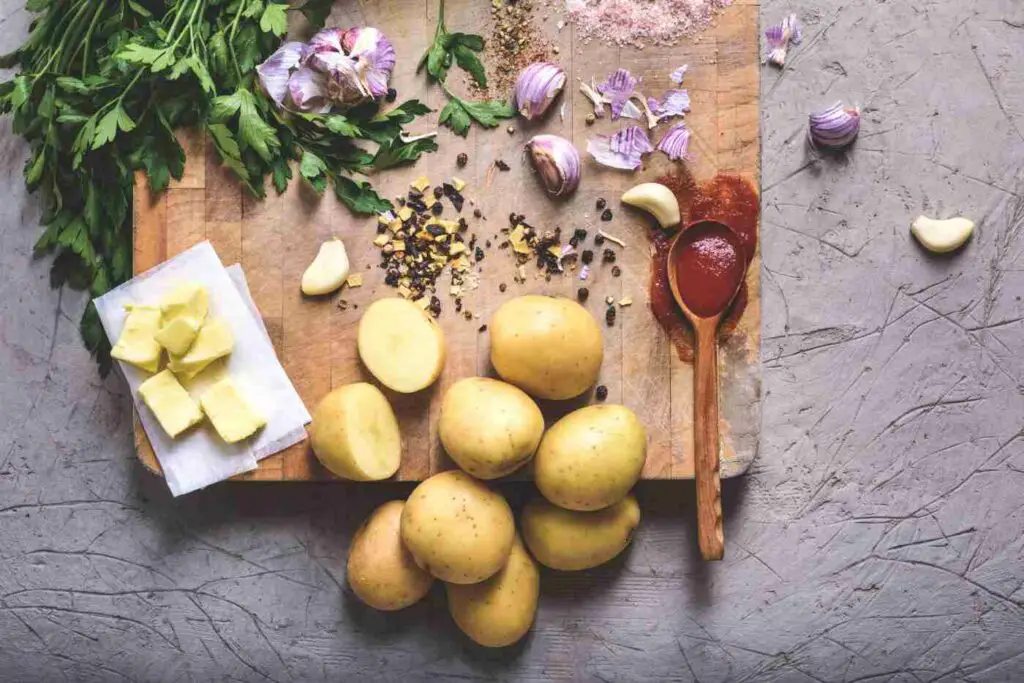
    • 2 pounds Yukon Gold potatoes or Maris Piper potatoes, scrubbed and cut into 1-inch wedges
    • ½ cup high-quality extra virgin olive oil
    • 1/3 cup freshly squeezed lemon juice (from approximately 2 lemons)
    • 2 tablespoons chopped fresh oregano
    • 2 teaspoons dried thyme (optional)
    • 1 teaspoon salt
    • 1/2 teaspoon freshly ground black pepper
    • 4 cloves garlic, minced (optional)

    Instructions:

    1. Preheat oven to 400°F (200°C). Line a baking sheet with parchment paper for easy cleanup.
    2. In a large bowl, toss the potato wedges with olive oil, lemon juice, oregano, thyme (if using), salt, and pepper. Ensure each wedge is evenly coated.
    3. Optional Step: If using garlic, add it to the bowl and toss to combine.
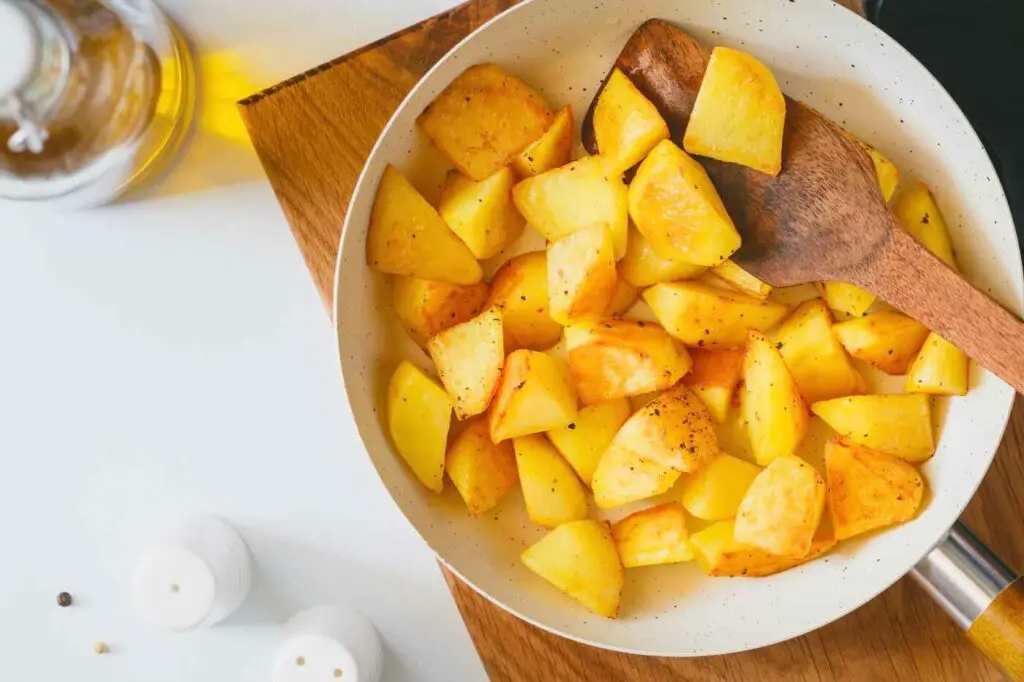
    4. Spread the potato wedges in a single layer on the prepared baking sheet, ensuring they are not overcrowded for optimal airflow and crispy edges.
    5. Roast for 30-40 minutes, or until the potatoes are tender on the inside and golden brown and crispy on the outside.

    Tips for Achieving Crispy Perfection:

    • High Heat is Key: A preheated oven ensures the potatoes sear quickly, locking in moisture while creating those coveted crispy edges.
    • Don’t Crowd the Pan: Overcrowding the baking sheet steams the potatoes instead of roasting them, resulting in a soggy texture. Aim for a single layer with space between each wedge.
    • The Power of Flipping: To ensure even browning and crispness, gently flip the potato wedges halfway through the roasting process.

    Modern Variations on Greek Lemon Potatoes

    The beauty of Greek Lemon Potatoes lies in their versatility. Here are some popular modern variations that add a twist to the classic recipe:

    • A Touch of Broth: For a richer flavor profile, incorporate ⅓ cup of low-sodium chicken broth into the marinade alongside the olive oil and lemon juice. This adds depth without overwhelming the natural flavors of the potatoes.
    • A Garlicky Twist: For those who crave a more pungent flavor, add 3-4 cloves of minced garlic to the marinade along with the other herbs and spices. The garlic infuses the potatoes with its characteristic aroma and adds a subtle kick.
    • Creamy Feta Delight: For a touch of indulgence, incorporate crumbled feta cheese into the dish. After roasting the potatoes for 30 minutes, remove them from the oven and sprinkle with approximately ½ cup of crumbled feta cheese. Return the pan to the oven for an additional 5-7 minutes, or until the cheese is melted and slightly golden brown.
    • A Touch of Heat: Add a pinch of red pepper flakes to the marinade for a touch of heat. This variation caters to those who enjoy a bit of spice in their side dishes.

    Plating and Serving Suggestions:

    • A Simple Elegance: Greek Lemon Potatoes are beautiful in their simplicity. Once roasted to perfection, simply transfer them to a serving platter and garnish with a sprinkle of fresh chopped parsley or dill. A drizzle of additional olive oil adds a touch of gloss and enhances the aroma.
    • A Festive Touch: For a special occasion, elevate your presentation by arranging the roasted potato wedges on a bed of fresh arugula or baby spinach. Drizzle the salad with a simple lemon vinaigrette and top it with crumbled feta cheese and a sprinkle of chopped red onion for a vibrant and flavorful side dish.

    Related:Easy Ground Beef Recipes with Few Ingredients to Try Today

    Greek Lemon Potatoes are a delightful culinary journey that transcends regions and time. This exploration has unveiled the history, key ingredients, and traditional preparation methods for this beloved dish. We’ve also delved into some popular modern variations, empowering you to personalize this recipe to suit your taste preferences. In Part 2, we’ll explore techniques for achieving crispy perfection, offer pairing suggestions for various main courses, and address frequently asked questions to equip you with all the knowledge needed to create this delectable side dish in your own kitchen.

    Tips and Techniques for Perfect Greek Lemon Potatoes

    Having explored the foundational elements of Greek Lemon Potatoes, let’s delve into the practical aspects of achieving culinary perfection. These tips and techniques will equip you to create crispy, flavorful potatoes that will elevate any meal.

    • The Importance of Preheating:

    A preheated oven is crucial for achieving crispy Greek Lemon Potatoes. When the oven reaches the desired temperature, it ensures the potatoes sear quickly upon contact with the baking sheet. This process locks in moisture while creating a golden brown, crispy exterior.

    • Maximizing Crispness: Avoiding Crowding

    Overcrowding the baking sheet with potato wedges is a recipe for disappointment. When potatoes are placed too close together, they steam instead of roast, resulting in a soggy texture. Aim for a single layer with ample space between each wedge to promote optimal airflow and crispy edges.

    • The Power of the Flip:

    For even browning and crispness throughout, don’t neglect the power of the flip. Gently use a spatula to turn the potato wedges halfway through the roasting process. This ensures all sides are exposed to the heat source, leading to a more uniform and delicious final product.

    • A Touch of Science: The Maillard Reaction

    The golden brown color and desirable flavor of Greek Lemon Potatoes are a result of the Maillard reaction. This chemical reaction occurs between amino acids and reducing sugars when exposed to high heat. Maximizing this reaction through proper preheating and avoiding overcrowding contributes to the overall success of the dish.

    Balancing Flavors: A Delicate Dance

    Greek Lemon Potatoes are a beautiful harmony of tangy citrus notes, creamy potato texture, and aromatic herbs. However, achieving this balance is key. Here’s how to adjust the taste profile to your liking:

    • Acidity from Lemons:

    Freshly squeezed lemon juice is the heart and soul of Greek Lemon Potatoes. The acidity cuts through the richness of the potatoes, adding a refreshing brightness. If you find the flavor too tart, start with a slightly lesser amount of juice and adjust to your taste preference.

    • The Salt Factor:

    Salt enhances the natural flavors of the ingredients. However, over-salting can overpower the delicate balance. Start with a teaspoon of salt and taste the potatoes after roasting for 20-25 minutes. Add more salt in small increments if needed.

    • Aromatic Herbs and Spices:

    Dried oregano is the traditional herb used in Greek Lemon Potatoes. It complements the lemon notes beautifully. Feel free to experiment with other options like rosemary, thyme, or a pinch of red pepper flakes for a touch of heat.

    Using Leftovers: Creative Inspirations

    Don’t be afraid of leftover Greek Lemon Potatoes! They can be easily transformed into delicious new creations. Here are some inspirational ideas:

    • A Frittata Fiesta: Dice leftover potatoes and incorporate them into a frittata along with your favorite vegetables and cheese. This is a perfect way to use up leftovers for a satisfying breakfast or brunch.
    • Salad Sensations: Chopped leftover Greek Lemon Potatoes add a delightful flavor and textural contrast to salads. Combine them with leafy greens, crumbled feta cheese, and a light vinaigrette for a refreshing and flavorful side dish.
    • Soup’s On!: Leftover potatoes can be pureed and incorporated into a creamy potato soup. Add a splash of chicken broth and your favorite herbs and spices for a comforting and flavorful meal.

    Serving Suggestions for Greek Lemon Potatoes

    Greek Lemon Potatoes are a versatile side dish that complements a variety of main courses. Here are some ideal pairings to consider:

    • Roasted Chicken: The classic pairing! The juicy tenderness of roasted chicken pairs beautifully with the tangy and flavorful Greek Lemon Potatoes.
    • Grilled Fish: The smoky notes of grilled fish are perfectly balanced by the bright acidity of the lemon in the potatoes.
    • Vegetarian Moussaka: This hearty vegetarian dish is elevated by the addition of Greek Lemon Potatoes. The creamy texture of the moussaka complements the crispy potatoes for a well-rounded meal.

    Greek Lemon Potatoes are a timeless culinary treasure. With their simplicity, flavorful profile, and versatility, they are a welcome addition to any table. This comprehensive guide has equipped you with the knowledge and techniques to create this delightful dish in your own kitchen. So, preheat your oven, gather your ingredients, and embark on a journey to Greek Lemon Potato perfection!

  • Is Rice Krispie Treats Cereal Healthy? Your Breakfast Questions Answered!

    For generations, the snap, crackle, pop of Rice Krispies® cereal has been a familiar sound in kitchens across the globe. But what if the beloved Rice Krispie Treats® bar, a childhood favorite for many, could be enjoyed in a convenient and breakfast-friendly format? Enter Rice Krispie Treats Cereal, a delightful innovation that brings the nostalgia and taste of the iconic treat to your morning bowl.

    This section will delve into the history of Rice Krispie Treats Cereal, exploring its origins and how it became a reality for cereal lovers everywhere.

    What is Rice Krispie Treats Cereal?

    Description

    Rice Krispie Treats Cereal is a breakfast cereal that captures the essence of the classic Rice Krispie Treats® bar. It features puffed rice cereal pieces, similar to those found in the original Rice Krispies® cereal, coated in a sweet and marshmallow-flavored shell. This creates a delightful combination of textures: the satisfying crunch of the cereal paired with the soft and slightly chewy marshmallow coating.

    Rice Krispie Treats Cereal offers a familiar and comforting taste, reminiscent of the after-school snack or birthday party treat many grew up enjoying (passive voice).

    Ingredients and Nutritional Information

    The core ingredients of Rice Krispie Treats Cereal are:

    • Puffed rice cereal: The base of the cereal, providing a light and crispy texture.
    • Marshmallow flavoring: Creates the signature sweet and marshmallowy taste.
    • Sugar: Adds sweetness and helps bind the ingredients together.

    Rice Krispie Treats Cereal may also contain additional ingredients such as vitamins, minerals, and whole grains (depending on the specific variety). It’s important to check the nutrition label for details on sugar content, fat content, and any potential allergens (passive voice).

    Table 1: Sample Nutritional Information for Rice Krispie Treats Cereal (per serving)

    NutrientAmount% Daily Value
    Calories1306%
    Total Fat1g2%
    Saturated Fat0.5g3%
    Sodium130mg5%
    Total Carbohydrates28g9%
    Sugars12g13%
    Protein1g2%

    Please note: This is a sample table and actual nutritional information may vary depending on the specific brand or variety of Rice Krispie Treats Cereal.

    How to Eat Rice Krispie Treats Cereal

    A. Traditional Milk and Cereal

    The most common way to enjoy Rice krispie treats cerealis the classic milk and cereal routine. The cold milk helps to complement the sweetness of the cereal and creates a delightful textural contrast between the crispy cereal and the smooth milk.

    • Choose your favorite type of milk: whole milk, skim milk, almond milk, oat milk, etc.
    • Pour the desired amount of Rice Krispie Treats Cereal into a bowl.
    • Add your preferred amount of milk.
    • Enjoy the familiar snap, crackle, pop as the cereal interacts with the milk (passive voice).

    B. Creative Consumption Ideas

    Rice Krispie Treats Cereal can also be enjoyed beyond the traditional bowl of milk. Here are a few ideas to inspire your creativity:

    • Add fresh or frozen fruit for a burst of flavor and additional vitamins.
    • Sprinkle on chopped nuts or seeds for a touch of protein and healthy fats.
    • Use the cereal as a topping for yogurt or parfaits.
    • Crush the cereal and mix it into homemade granola bars for an extra marshmallowy twist.

    Benefits of Rice Krispie Treats Cereal

    A. Convenient and Quick Breakfast Option

    Rice Krispie Treats Cereal is a perfect choice for busy mornings. It requires minimal preparation, making it ideal for those on the go (passive voice). Simply pour the cereal into a bowl, add milk, and you’re ready to enjoy a delicious and satisfying breakfast.

    • No cooking required – Saves valuable time in the morning routine (passive voice).
    • Easy for children to prepare themselves, promoting independence (passive voice).
    • Convenient for packing in lunchboxes or for quick on-the-go snacks.

    B. Potential Source of Nutrients

    Rice krispie treats cereal can be a source of important nutrients depending on the specific variety. While it’s important to be mindful of sugar content (addressed in next section), some varieties may be fortified with:

    • Vitamins and minerals: Vitamin D for bone health, iron for energy production, etc.
    • Whole grains: Can provide additional fiber for digestive health.

    Table 2: Sample Fortified Vitamins and Minerals in Rice Krispie Treats Cereal

    Vitamin/MineralPotential Benefits
    Vitamin DSupports bone health and immune function
    IronHelps carry oxygen in the blood
    CalciumImportant for strong bones and teeth

    Always check the nutrition label to understand the specific nutrient profile of the chosen variety.

    C. Fun and Familiar for Kids

    The connection to the beloved Rice Krispie Treats® bar makes this cereal a fun and familiar option for children. The playful taste and texture can encourage them to enjoy a more balanced breakfast compared to sugary cereals.

    Rice Krispie Treats Cereal vs. Homemade Rice Krispie Treats

    A. Similarities in Taste and Texture

    Rice krispie treat cereal offers a taste and texture profile that closely resembles the classic homemade Rice Krispie Treats® bar. The puffed rice cereal base provides the same satisfying crunch, while the marshmallow-flavored coating delivers a familiar sweetness (passive voice). This allows children and adults alike to enjoy the essence of the treat in a convenient breakfast format.

    B. Convenience vs. Customization

    One of the biggest advantages of Rice Krispie Treat Cereal is its convenience. It requires no preparation time, making it ideal for busy mornings (passive voice). However, homemade Rice Krispie Treats® bars offer greater control over ingredients. You can adjust the amount of sugar, add different flavors (chocolate chips, sprinkles, etc.), or use alternative ingredients like brown rice krispies for a more whole-grain option.

    C. Nutritional Considerations

    It’s important to consider the nutritional content of both rice krispie treats cereal and homemade Rice Krispie Treat® bars. The cereal may have a lower sugar content compared to some homemade variations, depending on the recipe used. However, it’s still crucial to check the nutrition label for both Ideally, Rice krispie treats should be part of a balanced breakfast routine that includes other healthy options like fruits, vegetables, and protein sources.

    Table 3: Sample Sugar Content Comparison (per serving)

    OptionSugar Content
    Rice Krispie Treats Cereal (average)12g
    Homemade Rice Krispie Treats® bars (depending on recipe)Can vary widely, potentially exceeding 20g

    Please note: This is a sample table and actual sugar content may vary depending on the specific brand or variety of Rice Krispie Treats and the homemade recipe used.

    Rice Krispie Treats Cereal offers a delightful way to enjoy the taste of the iconic

    Rice Krispie Treat® bar in a convenient and breakfast-friendly format. It provides a satisfying crunch with a familiar marshmallowy flavor, potentially contributing to a balanced breakfast routine when enjoyed alongside other healthy options (passive voice). Whether you’re seeking a quick and easy breakfast or a nostalgic treat, Rice Krispie Treats offers a fun and flavorful option for the whole family.

  • Irish Brown Bread: Bake This Delicious Loaf at Home! 

    Ireland’s culinary landscape boasts a wealth of delectable dishes, and nestled amongst them is the iconic Irish Brown Bread. This dense, nutty flavored bread, a cornerstone of Irish cuisine for centuries, has captivated taste buds and sustained communities throughout history. Irish Brown Bread is more than just a source of sustenance; it’s a symbol of resilience and a testament to the ingenuity of Irish people.

    • Key Facts about Irish Brown Bread:
    FactDescription
    HistoryEnjoyed for centuries in Ireland
    SignificanceStaple food and symbol of Irish heritage
    CharacteristicsDense texture, nutty flavor, versatile

    Unveiling the Essence of Irish Brown Bread

    A. Key Ingredients

    The soul of Irish Brown Bread lies in its simple yet powerful combination of ingredients:

    • Whole Wheat Flour: The foundation of this bread is whole wheat flour, providing a robust texture and a dose of whole grains. This flour is a rich source of fiber, vitamins, and minerals, contributing to the nutritional value of the bread.
    • Buttermilk: Buttermilk, a fermented milk product, adds a delightful tanginess to the bread and activates the baking soda, a crucial leavening agent. Its acidity also helps tenderize the gluten in the flour, resulting in a slightly softer crumb.
    • Baking Soda: In contrast to breads that rely on yeast for rising, irish brown bread recipeutilizes baking soda as its leavening agent. When combined with the acidic buttermilk, a chemical reaction is triggered, causing the dough to rise.
    • Molasses: A touch of sweetness and depth of flavor is introduced by molasses. This dark syrup, a byproduct of sugar refining, adds a characteristic hint of caramel and enhances the bread’s richness.
    • Rolled Oats (Optional): For an extra textural dimension and a boost of fiber, rolled oats can be incorporated into the dough. These flattened oat groats add a delightful chewiness and a subtle oat flavor.

    Table: Nutritional Value of Irish Brown Bread (per slice)

    NutrientAmount
    Calories160
    Carbohydrates30g
    Fiber3g
    Protein5g
    Fat2g

    B. The Science Behind the Soda Bread

    Unlike many breads that rely on the biological process of yeast fermentation for rising, irish brown bread recipe takes a different approach. It utilizes a chemical reaction between baking soda and the acidic buttermilk to achieve leavening. When these two ingredients come together, carbon dioxide gas is released, causing the dough to rise and creating a dense yet airy crumb.

    Step-by-Step Guide to Baking Irish Brown Bread

    The process of baking irish brown bread recipe is relatively straightforward, making it accessible to bakers of all experience levels. Here’s a glimpse into the steps involved:

    A. Gathering the Ingredients

    To embark on your Irish Brown Bread baking journey, you’ll need:

    • Whole wheat flour
    • Baking soda
    • Salt
    • Buttermilk
    • Molasses
    • Rolled oats (optional)

    Table: Ingredients for Irish Brown Bread

    IngredientQuantity
    Whole wheat flour3 cups
    Baking soda2 teaspoons
    Salt1 teaspoon
    Buttermilk1 1/2 cups
    Molasses1/4 cup
    Rolled oats (optional)1/2 cup

    B. Mixing the Dough

    1. In a large bowl, whisk together the dry ingredients: whole wheat flour, baking soda, and salt.
    2. Create a well in the center of the dry ingredients.
    3. Pour in the buttermilk and molasses. Using a wooden spoon or your hands, gently combine the wet and dry ingredients until a shaggy dough forms.

    C. Shaping and Baking

    1. On a lightly floured surface, turn out the dough and knead it briefly, just until it comes together. Avoid overkneading, as this can result in a tough loaf.
    2. Gently shape the dough into a round loaf. Optional: Dust the top of the loaf with a sprinkle of rolled oats for a decorative touch.
    3. Transfer the shaped dough to a greased baking sheet.
    4. Using a sharp knife, score a deep X or + on the top of the loaf. This allows steam to escape during baking and creates a more even rise.
    5. Preheat your oven to 425°F (220°C).
    6. Bake the Irish Brown Bread for 40-45 minutes, or until the internal temperature reaches 200°F (93°C). A gentle tap on the bottom of the loaf should produce a hollow sound.
    7. Remove the bread from the oven and let it cool completely on a wire rack before slicing and serving.

    Tips:

    • For a crispier crust, preheat your baking sheet in the oven while it preheats.
    • You can also brush the top of the dough with a bit of milk or buttermilk before baking for a golden brown finish.
    • To ensure even baking, rotate the pan halfway through the baking time.

    Enjoying Your Freshly Baked Irish Brown Bread:

    Once your Irish Brown Bread has cooled completely, slice it and savor its unique flavor and texture. Here are some delicious ways to enjoy it:

    • Simple and Satisfying: Toasted with butter and a touch of jam for a classic breakfast or afternoon snack.
    • A Hearty Pairing: Alongside a bowl of steaming soup or stew, where the bread’s dense crumb can soak up all the delicious flavors.
    • A Modern Twist: Toasted and topped with avocado, a poached egg, and a sprinkle of sea salt for a trendy and satisfying brunch option.

    The versatility of Irish Brown Bread allows it to be enjoyed in countless ways. Experiment with different toppings and accompaniments to discover your own favorite combinations.

    Related : Chocolate Banana Bread: Beyond Basic Banana, Next-Level Bread


    Additional Information about Irish Brown Bread

    • Variations:Irish Brown Bread serves as a blank canvas for creativity. Here are a few popular variations:
      • Sweet additions: Raisins, currants, chopped dried fruits, or honey can be incorporated for a touch of sweetness.
      • Nutty twist: For extra texture and protein, consider adding chopped walnuts, pecans, or almonds.
      • Boozy twist: Substitute some of the buttermilk with Guinness or stout beer for a unique malty flavor.
    • Health Benefits: Beyond its delicious taste, Irish Brown Bread boasts some health benefits:
      • Whole grains: The use of whole wheat flour provides a good source of fiber, aiding digestion and promoting gut health.
      • Lower fat content: Compared to some other breads, Irish Brown Bread is generally lower in fat, making it a more heart-friendly option.
      • Rich in nutrients: Whole wheat flour contributes essential vitamins and minerals, including B vitamins, iron, and magnesium.

    Remember: The beauty of irish brown soda bread lies in its simplicity and versatility. So, preheat your oven, gather your ingredients, and embark on a baking journey that celebrates Irish heritage and culinary tradition.

    Storing and Reheating: Preserving Freshness

    A. Proper Storage

    To ensure your Irish Brown Bread remains fresh and flavorful, proper storage is key. Once baked, allow the bread to cool completely on a wire rack. This allows moisture to escape and prevents the bread from becoming soggy.

    B. Reheating for Optimal Flavor

    While irish brown soda bread is delicious fresh, reheating can enhance its texture and flavor profile. Here are some tips:

    • Individual slices can be reheated in the oven or toaster oven for a few minutes until warmed through. This method results in a slightly crispy crust and a soft, chewy center.
    • For a more uniform reheating experience, wrap the entire loaf loosely in aluminum foil and place it in a preheated oven at 350°F (175°C) for 10-15 minutes. This reheating method ensures the bread warms evenly without drying out.

    Tip: Sprinkling the bread with a little water before reheating can help revive any dryness and restore a fresher texture.

    A Look Back and Forward: The Legacy of Irish Brown Bread

    A. A Staple Throughout History

    Irish brown soda bread has been a staple food in Irish culture for centuries. Simple to make using readily available ingredients, it served as a source of sustenance during times of hardship. Its dense and hearty nature provided essential nourishment for farmers, laborers, and families throughout Ireland’s history.

    B. A Modern-Day Delight

    irish brown soda bread remains a popular bread choice today, not just in Ireland but around the world. Bakers appreciate its simplicity and versatility, while consumers enjoy its unique flavor and nutritional benefits. The rise of artisanal baking has also seen a renewed interest in Irish Brown , with bakers experimenting with new flavor variations and techniques.

    More than just a loaf of bread, irish brown soda bread is a symbol of Irish heritage, resilience, and culinary tradition. Its enduring popularity is a testament to its deliciousness and adaptability. So, bake a loaf, savor its flavor, and connect with a piece of Irish history.